
The Nature of Luck in Gambling
Luck is an intrinsic element of gambling, permeating every decision and outcome within a casino environment. While skill and strategy often play significant roles, the randomness of outcomes can profoundly influence the experience and results for players. In games such as slots, roulette, and blackjack, chance ultimately dictates who wins or loses, especially when considering the appeal of various bitcoin betting sites that introduce new dynamics to traditional games, underscoring the unpredictable nature of luck in gambling scenarios. Understanding this randomness helps players develop realistic expectations, balancing their hopes with the inherent uncertainty of games.
Moreover, players often reflect on their previous experiences, attributing successes and failures to luck. This cognitive bias can shape their future decisions and attitudes towards gambling. Many players believe that they can harness good luck through rituals, whether it’s wearing lucky clothing or performing a specific routine before making a bet. These beliefs highlight the psychological aspects of luck, demonstrating how deeply ingrained it is in the gambling culture. Recognizing the role of luck allows players to enjoy the thrill of the game without succumbing to frustration when outcomes do not match their desires.
Interestingly, the role of luck extends beyond mere chance in games. It also influences the overall casino environment. For instance, the ambiance, lighting, and sound effects are intentionally designed to create a sense of excitement and anticipation. This psychological manipulation affects players’ perception of luck and their overall enjoyment. Casinos often capitalize on the emotional highs and lows of luck, creating an engaging atmosphere that keeps players coming back, hoping for that elusive winning streak that may change everything.
The Interplay of Skill and Luck
While luck is a significant factor in casino games, it doesn’t exist in isolation. The interplay between skill and luck is crucial for understanding a player’s success. In games like poker, where strategies and psychology come into play, skilled players can leverage their experience to make statistically advantageous decisions. However, even the most skilled player can find themselves at the mercy of luck, as the cards dealt can quickly turn the tide of a game. This unpredictable blend of skill and chance creates a dynamic that makes gambling both exciting and frustrating.
Moreover, the psychological aspect of luck can influence a player’s approach to skill-based games. For example, a skilled poker player may feel overconfident if they have recently experienced a winning streak, interpreting their success as a sign of superior ability rather than recognizing the role of luck. Conversely, a series of unfortunate outcomes can demoralize even the most talented players, leading to emotional decisions that detract from their strategic gameplay. Thus, maintaining a balanced perception of both luck and skill is essential for sustained success in the competitive environment of casinos.
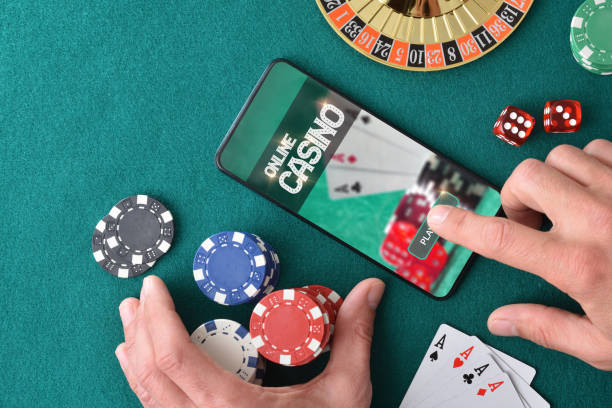
Casinos often leverage the relationship between luck and skill to design games that capture players’ attention. For instance, slot machines have evolved into complex systems featuring various themes and bonus features, catering to the desire for winning while downplaying the element of skill. Players can enjoy the thrill of spinning the reels, with the hope that luck will favor them, even as they understand that the outcomes are purely random. This blend of excitement and chance is central to the casino experience, drawing in players who are eager to test their fortune.
The Role of Risk and Reward
In casinos, the relationship between risk and reward becomes a critical consideration for players. Luck is a significant factor in determining outcomes, but players must also assess their willingness to take risks. Higher-stakes games may offer larger payouts, but they often come with increased uncertainty. This dance between risk and reward highlights the essential role luck plays in the broader gambling landscape. Many players are attracted to the thrill of high-risk games, believing that fortune will shine upon them, while others prefer lower-stakes options for a steadier experience.
Moreover, understanding the role of luck in the context of risk can improve a player’s strategy. For example, a player who recognizes that luck significantly influences outcomes may be more inclined to take calculated risks rather than chasing losses in a desperate attempt to regain their footing. This awareness can lead to more thoughtful decisions regarding their betting amounts, game choice, and overall approach. A balanced perspective on risk and reward, combined with an understanding of luck, can empower players to navigate the casino landscape with greater confidence.
The essence of risk-taking in gambling also invites discussions around responsible gaming. Since luck can lead to both winning and losing streaks, players must remain vigilant about their spending habits and emotional responses when luck is not on their side. A healthy mindset encourages players to enjoy the gaming experience without allowing bad luck to dictate their financial decisions or well-being. Ultimately, recognizing and respecting the role of luck can foster a more enjoyable and responsible gambling experience.
The Emotional Impact of Luck
The emotional journey of a player is significantly influenced by their perception of luck. Winning can induce euphoria, while losing can lead to frustration and disappointment. These emotional highs and lows can create a rollercoaster of feelings, showcasing the complexity of gambling as both a form of entertainment and a psychological challenge. Many players find themselves riding the waves of luck, with each outcome eliciting excitement or despair. This emotional engagement is a fundamental reason why people return to casinos time and again.

Furthermore, the impact of luck on emotions often extends beyond individual games. A player may have a heartwarming experience when they hit a jackpot or may feel disheartened after a series of losses. These moments can influence social dynamics within the casino as well. Players often share their stories with friends or fellow gamblers, building a community based on shared experiences of luck and misfortune. This social aspect contributes to the overall atmosphere of casinos, where camaraderie and competition coexist in a vibrant environment.
Additionally, the influence of luck on emotions can lead to the phenomenon of “gambling addiction.” Players may become so entwined in the thrill of chasing luck that they overlook the potential consequences. As excitement builds around the possibility of winning, the desire to continue playing may overpower rational thinking. Understanding the emotional impact of luck is therefore crucial for promoting responsible gaming and self-awareness among players. Recognizing when luck is not on their side can empower players to take breaks, reflect, and make better decisions that prioritize their well-being.
Conclusion: Embracing Luck in the Casino Experience
As we explore the role of luck within the casino context, it becomes clear that embracing this unpredictable element can enrich the overall experience. While skill and strategy can enhance one’s chances of success, the thrill of an unexpected outcome drives the excitement of gambling. Players must accept that luck is an essential part of their journey, contributing to both heart-pounding moments of victory and the valuable lessons learned from losses.
Moreover, creating a balanced understanding of luck allows players to engage with casinos in a healthy and sustainable manner. Acknowledging the emotional impacts of luck can help individuals maintain control over their gambling choices, ensuring that the quest for fortune remains an enjoyable endeavor rather than a source of stress. Responsible gaming practices coupled with a realistic perspective on luck can foster a more positive experience.
Ultimately, the casino experience thrives on the complex interplay between luck, skill, and emotional engagement. It is this intricate combination that draws players into the vibrant world of gaming, creating lasting memories and connections within the casino community. Embracing luck, with all its unpredictability, becomes a vital strategy for truly enjoying the thrill of the game and making the most of each visit to the casino.